
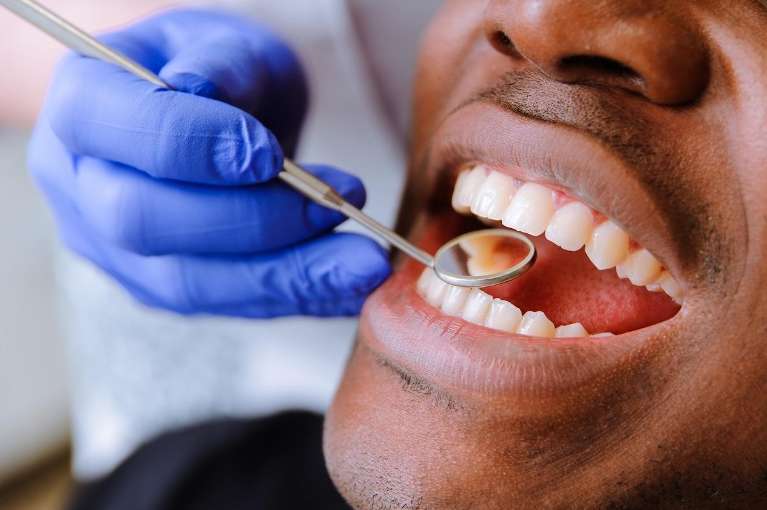
Gum disease often starts quietly, with subtle signs that many people overlook, such as bleeding gums, persistent bad breath, or tenderness when chewing. But as it progresses, it can lead to tooth loss and affect your overall health in ways you may not expect.
Don’t wait for the pain to become unbearable or the damage irreversible. Early intervention can save your smile and your well-being. Taking action now means protecting your teeth and preserving your health; what’s more important than that?
What Is Gum Disease?
Periodontal disease is prevalent on some level in many patients. Periodontal disease, also known as gum disease, is when the gums become inflamed, and the bones surrounding your teeth become affected by it.
Periodontal disease is typically categorized into several levels of severity: gingivitis is the least severe form, followed by periodontitis, and the most severe form is advanced periodontitis.
Gum disease is often not painful, so many people don't think to have it looked at. However, if caught and treated early, your dentist can often get rid of any signs of gum disease as long as you keep up with your regular dental care.
Early Signs of Periodontal Disease
Extensive bacteria and plaque on the teeth cause periodontal disease. Over time, this bacteria can create an infection, developing into periodontal disease. Visiting your dentist for regular professional cleanings is vital to help prevent gum disease and treat any early signs. If the issue persists without treatment, it can cause extensive damage.
Here are some of the early signs of gum disease:
- Swollen gums — This is one of the most common first signs of gum disease, and it's easy to overlook or ignore. Make sure to occasionally look at your gums for signs of swelling, and be sure to visit your dentist twice a year so they can monitor any changes.
- Bleeding gums — Many people think that bleeding gums are just a normal effect of brushing and flossing, but it's not normal to experience this regularly. So, when you spit into the sink and see red, it’s a sign you could have gum disease.
Signs of Moderate Periodontal Disease
Here are some signs of moderate gum disease:
- Receding gum line — Receding gums are when your gumline starts to pull further away from the teeth. This can cause sensitivity and can eventually cause your teeth to fall out.
- Persistent bad breath — Another common sign of periodontal issues is when your bad breath lasts even after brushing each morning and night; this can be a sign of a more serious problem.
- Pockets around teeth — When spaces open up under your gumline, they can become filled with infection-causing bacteria and must be treated immediately.
Signs of Advanced Periodontal Disease
Here are some signs of advanced gum disease:
- Loose or shifting teeth — If you have any adult teeth that are loose, this is always a reason to visit a dentist. While it may not be gum disease, it's one possible sign many people experience.
- Intense sensitivity or pain — At this severe stage of gum disease, you may experience extreme discomfort and sensitivity, making eating or maintaining normal activities difficult.
- Abscesses or pus between gums and teeth — A periodontal abscess occurs when pus collects in the pockets around your gumline, causing additional pain and swelling.
Diagnosing and Treating Gum Disease: What You Need to Know
At Toronto Lakeshore Dental, we believe in the power of prevention; that’s why we encourage our patients to schedule a routine dental exam and cleaning every six months. This helps us keep your teeth and gums as healthy as possible.
If we notice that your gums are red and puffy, and if they bleed when we’re cleaning your teeth, you may have the first signs of gum disease. Once we diagnose the severity of your condition, we can work to manage it; here’s how:
- Gingivitis — For the early stages of gum disease, we’ll perform a thorough dental cleaning and review your home care routine before making brushing and flossing recommendations. The good news is that it’s possible to reverse your gingivitis before it progresses further.
- Periodontitis — For more advanced stages of periodontal disease, we’ll perform a procedure known as scaling and root planing. It involves cleaning below the gumline to eliminate the infection and smoothing out your tooth’s roots so your gums can reattach, preventing further infection.
- Advanced Periodontitis — We may recommend gum surgery or antibiotic therapy for the most severe cases.
Looking for Gum Disease Treatment in Etobicoke?
If you live in Etobicoke and want to learn more about periodontal disease, we will happily assist you! At Toronto Lakeshore Dental, our top priority is helping you achieve the best oral health possible.
If you have any questions about gum disease or if you think you are experiencing some of the early signs, don't hesitate to contact our office today. We look forward to helping you achieve a happy, healthy smile!